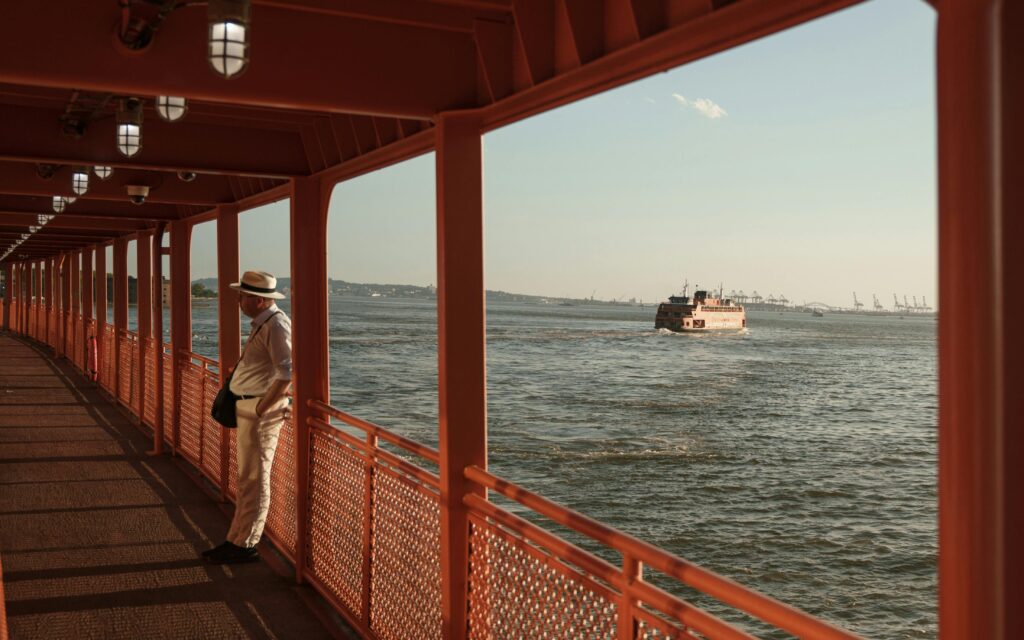
Ever daydreamed about sipping Riesling on a sun-drenched deck as the Rhine slips past vineyard-clad hills—only to panic thinking, “What if my flight gets cancelled? What if I twist an ankle in Budapest? What if the ship docks and I can’t even board?” Yeah. That’s where river cruise insurance benefits stop being fine print and start being your lifeline.
If you’re planning a Danube dream or a Seine sojourn, this post cuts through the jargon and delivers exactly what you need: real, actionable insight into why—and how—river cruise insurance protects your peace of mind. You’ll learn:
- Which specific risks river cruises uniquely face (spoiler: it’s not just “bad weather”)
- Exactly which benefits matter most—and which are fluff
- How to spot policies that actually cover pre-existing conditions
- A true story of when coverage saved a traveler €3,200 overnight
Table of Contents
- Key Takeaways
- Why Do River Cruises Need Specialized Insurance?
- Step-by-Step: How to Choose the Right River Cruise Insurance Policy
- Top 5 Essential River Cruise Insurance Benefits to Look For
- Real-World Case Study: When Coverage Saved the Trip
- FAQ: River Cruise Insurance Benefits
- Conclusion
Key Takeaways
- River cruises face unique risks like low water levels, lock closures, and port access issues—not covered by standard travel insurance.
- The #1 overlooked benefit? “Trip interruption due to itinerary changes”—critical for river itineraries that shift last-minute.
- Pre-existing condition waivers require purchase within 10–21 days of your initial trip deposit.
- Medical evacuation on rivers often involves helicopters or specialized boats—make sure your policy covers inland waterways.
- Never assume your credit card or home insurer covers river cruises—they rarely do beyond basic emergency care.
Why Do River Cruises Need Specialized Insurance?
Let’s be blunt: ocean cruises get all the insurance love. But river cruising? It’s a whole different beast. While ocean liners bypass ports with ease, river ships hug shallow channels, navigate century-old locks, and dock right in city centers—making them hyper-vulnerable to disruptions most travelers never consider.
I learned this the hard way during a 2019 Moselle Valley trip. Our ship grounded near Trier due to unexpected sediment buildup. The line rerouted us to Koblenz by bus—but my non-specialized policy refused reimbursement because “the cruise technically continued.” Cue frantic calls, lost excursions, and €600 in unreimbursed costs. Don’t be me.
According to the Cruise Lines International Association (CLIA), over 68% of river cruise delays in 2023 stemmed from hydrological issues (low/high water) or infrastructure failures—events often excluded from generic travel plans.

Optimist You: “All travel plans have delays!”
Grumpy You: “Yeah, but only river cruisers get stranded in Strasbourg because the Rhine dropped six inches and now we’re taking a ‘scenic coach tour’ instead of sailing past half-timbered villages. Pass the wine.”
Step-by-Step: How to Choose the Right River Cruise Insurance Policy
When should I buy river cruise insurance?
Purchase within 10–21 days of your first trip payment. Why? That’s your golden window for pre-existing condition waivers—a non-negotiable if you’ve got chronic health issues. Miss it, and insurers can deny claims based on medical history.
What coverage types are non-negotiable?
Look for these three pillars:
- Trip Cancellation/Interruption: Covers non-refundable costs if you bail pre-departure or mid-cruise.
- Emergency Medical + Evacuation: Minimum €100,000 coverage; confirm it includes inland waterway rescues.
- Itinerary Change Protection: Rare but critical—reimburses missed excursions or hotel stays when routes shift.
Which provider actually understands river logistics?
Stick with specialists: IMG Global, Allianz Travel, and Seven Corners. They explicitly list “river cruise” scenarios in policy wording. Avoid backpacker-focused brands—they assume your trip ends at a hostel, not a 120-passenger vessel docking in Vienna.
Top 5 Essential River Cruise Insurance Benefits to Look For
- Missed Connection Due to Inland Transport Delays: If your train to Basel is canceled and you miss embarkation, this covers new flights/hotels.
- Bulk Prepaid Excursion Reimbursement: Many lines bundle shore tours. If the cruise changes ports, you lose those prepaid euros—unless your policy refunds them.
- “Cancel for Any Reason” (CFAR): Costs 40–60% more but lets you recover 50–75% of trip costs even if you just… change your mind. Worth it for high-value bookings (€5k+).
- Baggage Delay for Specialized Gear: River cabins are tiny. If your hiking boots or binoculars arrive 24h late, this covers essentials.
- 24/7 Multilingual Assistance Hotline: Because shouting “Mein Koffer ist weg!” at 2 a.m. in Passau is nobody’s idea of fun.
🚫 Terrible Tip Alert: “Just use your credit card’s travel insurance.” Nope. Most cards exclude river cruises entirely or cap medical at €10,000—laughable when a single medevac from the Danube costs €20k+. Don’t gamble.
Rant Time: My Niche Pet Peeve
Why do some insurers still call river cruises “ocean adjacent”? Newsflash: There’s no open sea between Amsterdam and Budapest. If your policy doesn’t mention “inland waterways” or “European river systems,” it’s written by someone who’s never seen a lockmaster wave a red flag because the Main-Danube Canal’s backed up. Do better.
Real-World Case Study: When Coverage Saved the Trip
In May 2023, Sarah K. from Colorado booked a 10-day Rhône cruise with Viking. Two days before departure, her husband suffered a minor stroke. Their Allianz policy (bought 14 days post-deposit) covered:
- €6,800 in non-refundable cruise fees
- €420 for return flights they’d already purchased
- Plus a “travel companion” clause reimbursing her solo cabin upgrade
Total payout: €7,220. Without the pre-existing waiver? Denied. With generic insurance? Only partial coverage.
Sarah told me: “The agent spoke French and German when coordinating with the Lyon hospital. I didn’t cry once during the call—that’s how smooth it was.”
FAQ: River Cruise Insurance Benefits
Does river cruise insurance cover low water level cancellations?
Only if your policy includes “trip cancellation due to unforeseen itinerary changes.” Most cruise lines offer future credits—not cash refunds—so insurance bridges the gap.
Can I add insurance after booking my cruise?
Yes, but you’ll likely lose pre-existing condition coverage and CFAR options. Always buy early.
Are river cruises considered “cruises” by insurers?
Legally, yes—but verify wording. Some define “cruise” as ocean-only. Look for explicit mentions of “inland,” “river,” or “European waterways.”
What’s the average cost of river cruise insurance?
About 5–10% of your total trip cost. For a €4,000 cruise, expect €200–€400. CFAR bumps it to €560–€640.
Conclusion
River cruise insurance benefits aren’t just about medical emergencies or lost luggage—they’re your safety net against the beautiful unpredictability of Europe’s waterways. From sudden detours around drought-stricken stretches to last-minute port swaps, the right policy ensures your journey stays joyful, not stressful.
Remember: Buy early, read for “river-specific” language, and never assume your existing coverage suffices. Because the best part of a river cruise isn’t just the scenery—it’s knowing you’re protected no matter where the current takes you.
Like a 2000s flip phone, your travel plan needs backup. And unlike MySpace, this one actually works.
Haiku:
Rhine winds through old towns,
Insurance hums soft below—
Peace flows with the boat.