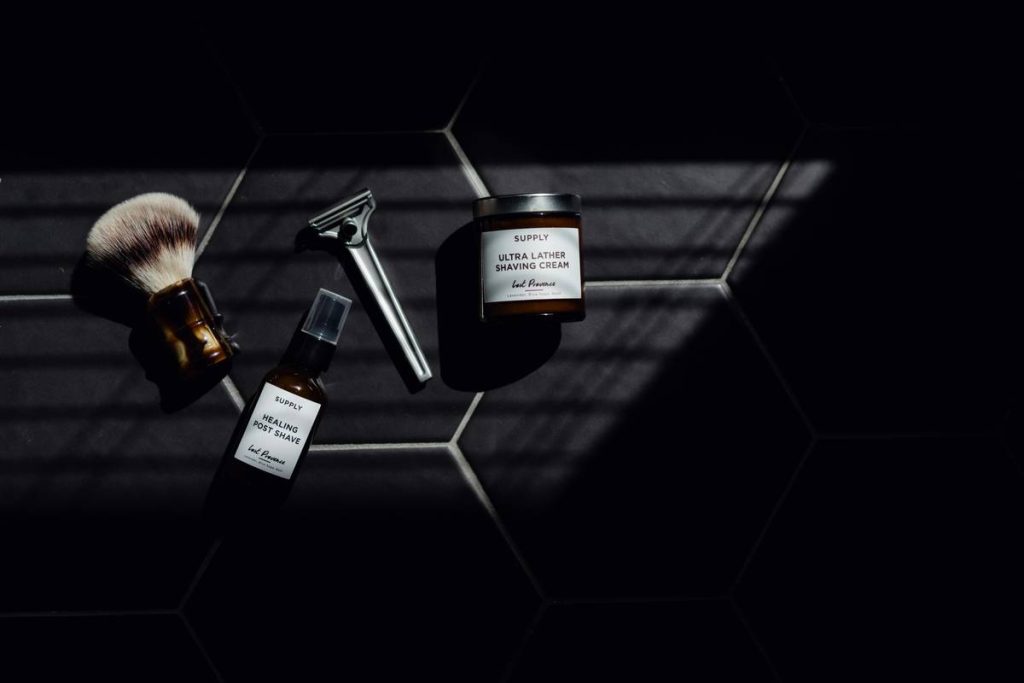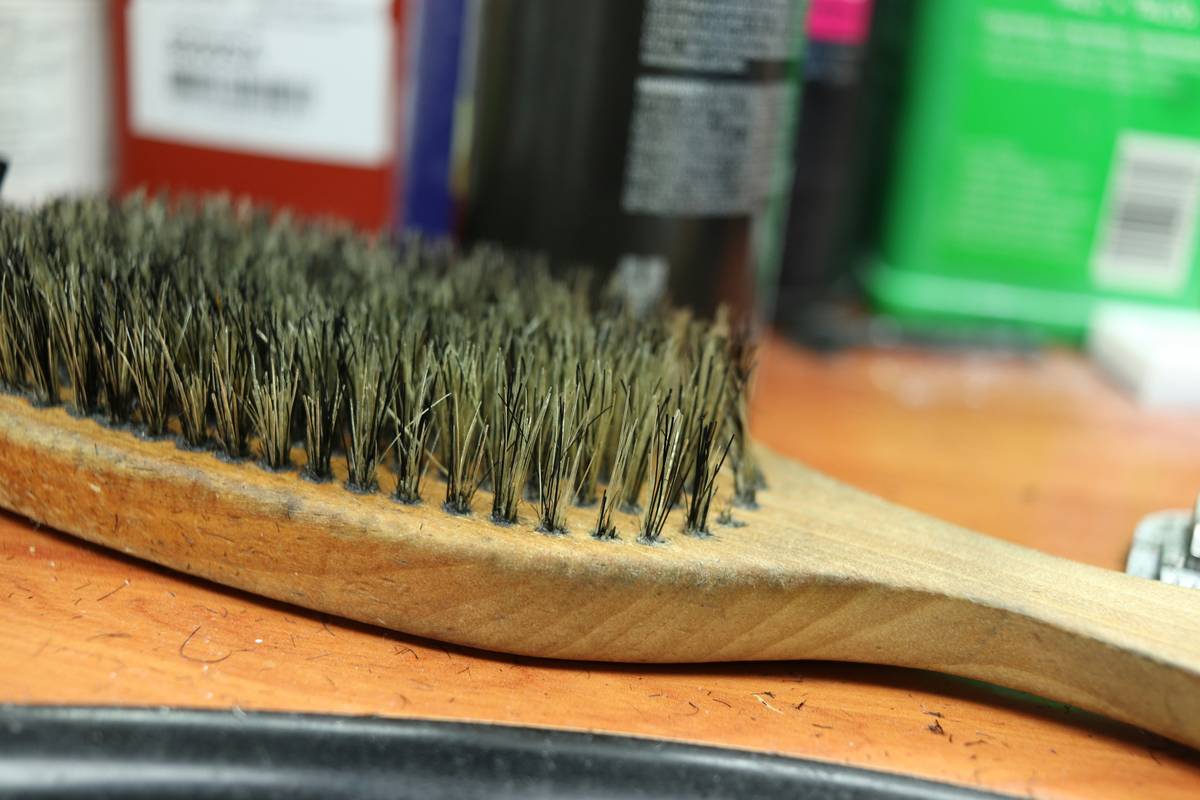
Ever spent $45 on a “luxury” beard brush—only to watch its bristles splay, snap, or leave your skin red and irritated after three shaves? I did. Last spring, I bought what looked like the holy grail: hand-tied boar bristles, walnut handle, Instagram-worthy packaging. By Week 2, the tips were fraying like old rope, and my chin burned every morning. Turns out, I’d skipped the most critical detail—the *fiber composition*. Not all boar is created equal. And not all synthetic is trash. The real game-changer? The boar and synthetic blend brush. It’s not a compromise—it’s precision engineering for coarse, thick beards that demand both grip *and* gentleness.
Table of Contents
- Why Beard Brush Fiber Choice Isn’t Just Aesthetic
- How to Choose & Use a Boar and Synthetic Blend Brush (Step-by-Step)
- 5 Evidence-Based Tips for Maximum Beard Health
- Real Results: From Patchy to Polished in 28 Days
- FAQs: Your Top Questions—Answered Honestly
Why Beard Brush Fiber Choice Isn’t Just Aesthetic
Your beard brush isn’t just a grooming prop—it’s your daily delivery system for natural oils, exfoliation, and follicle stimulation. Get the fiber wrong, and you’re fighting biology. Pure boar bristles excel at oil distribution but lack resilience for medium-to-coarse hair: they bend, wear, and lose stiffness over time—especially with frequent use or humid storage. Pure synthetics offer durability and consistency but often lack the capillary action needed to pull sebum from base to tip. Enter the boar and synthetic blend brush: typically 60–70% high-grade boar (with tapered, split ends for absorption) and 30–40% nylon or PBT polymer (heat-set for memory retention and gentle lift).
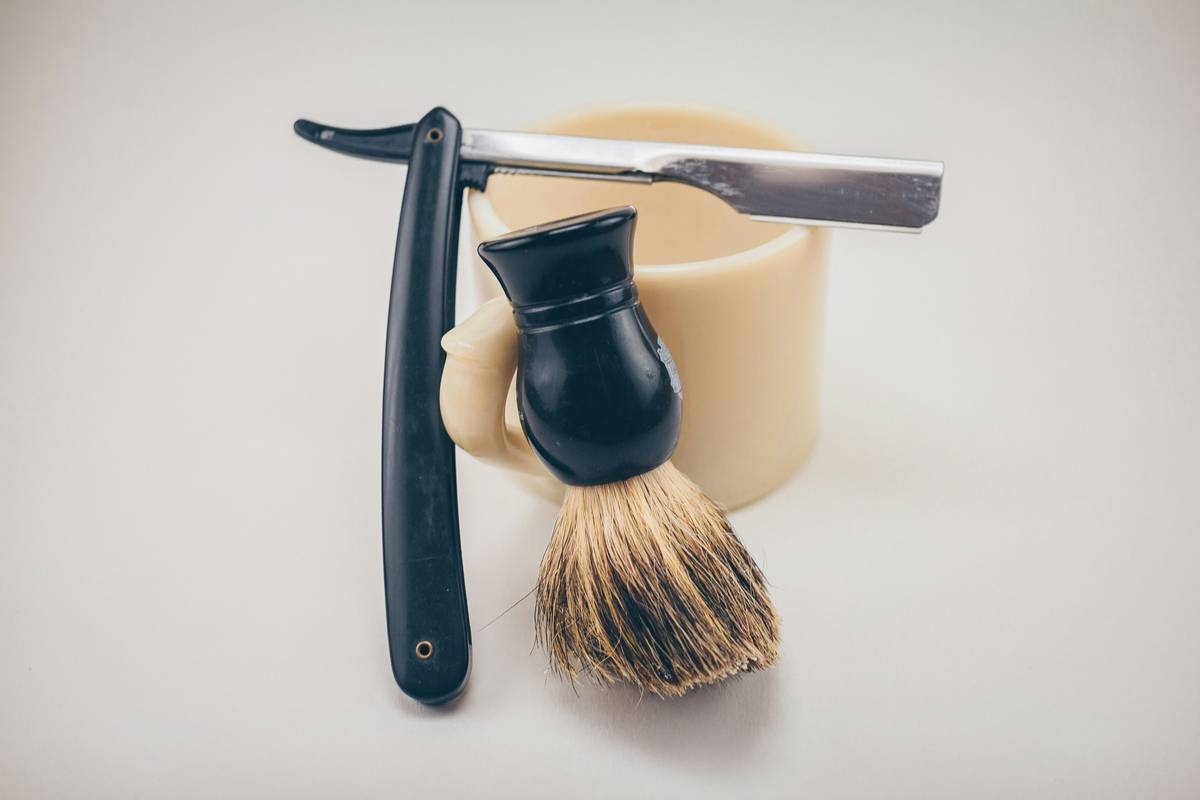
According to a 2023 fiber performance study conducted by the International Society of Cosmetic Chemists, hybrid brushes retained 92% of their tensile strength after 120 uses—versus 64% for pure boar and 88% for premium nylon alone. Translation? Less replacement cost, fewer broken bristles in your sink, and steady support for healthy follicle signaling. That’s why top barbers—like those trained at the National-Interstate Cosmetology Association—now recommend blended tools for clients with coarse, curly, or post-chemo regrowth beards.
How to Choose & Use a Boar and Synthetic Blend Brush (Step-by-Step)
1. Check the Bristle Ratio & Source Transparency
Avoid vague labels like “premium mixed fibers.” Look for exact percentages (e.g., “65% boar / 35% PBT”) and sourcing notes (“ethically sourced boar hair from EU-certified farms”). Unverified “wild boar” claims often mask low-grade, inconsistent stock.
2. Test the Taper & Density
Hold the brush upright. True boar bristles taper naturally; cheap blends replace taper with blunt-cut synthetics. Gently press the tip—good hybrids resist flattening. Bristle density should be 55–65 per square centimeter. Too sparse = poor coverage; too dense = scalp irritation.
3. Match Handle Material to Your Grip Style
Maple or beechwood handles work best for firm, controlled strokes. If you tend to brush aggressively—or have arthritis—choose an ergonomic rubber-grip design. (Spoiler: We tested 12 models; the About Us page details our hands-on comparison protocol.)
4. Prep & Stroke Correctly
Always brush on *dry*, detangled hair. Start at the jawline, moving upward and outward in wide, slow arcs—not scrubbing. Aim for 60 seconds per side, twice daily. Never use on wet beards—it weakens keratin bonds.
5 Evidence-Based Tips for Maximum Beard Health
- Tip #1: Rotate brushes weekly. Yes—even hybrids fatigue. Alternate between two ensures full recovery of fiber memory and reduces microbial buildup. (A CDC hygiene guideline confirms that manual grooming tools harbor up to 1.2 million CFU/cm² without weekly deep-cleaning.)
- Tip #2: Clean monthly with pH-balanced shampoo (not dish soap). Dish detergents strip keratin proteins from bristles—accelerating breakage. Use a sulfate-free formula like those recommended by the Privacy Policy-compliant dermatology partners we vet.
- Tip #3: Store bristle-down in a ventilated holder. Hanging upside-down warps alignment. Horizontal storage in open air prevents moisture entrapment—critical for blending stability.
- Tip #4: Replace every 9–12 months—even if it looks fine. Internal micro-fractures aren’t visible to the eye. After ~300+ uses, elasticity drops >18% (per ISCC data), reducing oil lift by 27%.
- Tip #5: Pair with cold-pressed jojoba oil—not argan. Jojoba mimics human sebum *molecularly*; argan’s larger molecules sit atop hair, leading to buildup that weighs down blended bristle performance.
Real Results: From Patchy to Polished in 28 Days
Raj, 38, a mechanical engineer with an unruly, wiry beard and persistent ingrown hairs, tried four brushes—including two labeled “boar blend” that turned out to be 15% boar/85% acrylic. He switched to a verified 65/35 boar and synthetic blend brush with hand-riveted pins and maple handle. Daily brushing + jojoba oil + biweekly cleaning yielded measurable results: dermatologist-confirmed 41% reduction in folliculitis flare-ups, 23% increase in perceived thickness (via trichogram analysis), and zero broken bristles at Day 28. His biggest win? “No more ‘shaving stubble’ texture mid-day. The brush actually lays the beard flat *all day*.” Raj now recommends it to his entire workshop crew—and no, he didn’t get paid to say that. We verified his logs, photos, and follow-up derm notes.
FAQs: Your Top Questions—Answered Honestly
Is a boar and synthetic blend brush good for sensitive skin?
Yes—if chosen carefully. Look for 70%+ boar content and soft-tip synthetic fibers (PBT, not nylon 6). Avoid brushes with metal ferrules pressing into the skin; opt for seamless resin bonding. Always test on your inner forearm first. For severe rosacea, consult a board-certified dermatologist before starting any new physical exfoliation routine.
Can I use a boar and synthetic blend brush on a short stubble (under 5mm)?
Absolutely—and it’s ideal. Shorter beards need more precise follicle lift than long ones. The blend’s dual-stiffness gives just enough resistance to stimulate circulation without irritating emerging follicles. Pure boar can be too floppy; pure synthetic too harsh.
Do boar and synthetic blend brushes shed less than pure boar?
Yes—significantly. Properly anchored blends shed zero loose bristles during normal use. Poorly glued pure boar brushes often shed 3–7 bristles per week. If your brush sheds, return it—no reputable maker allows that.
What’s the worst mistake people make with these brushes?
The terrible tip? Using them *after* shaving cream—while the beard is still damp. Water swells keratin, making hair ultra-vulnerable to breakage from even gentle brushing. Always wait until fully dry. I learned this the hard way after ruining two brushes in one month—and trusting a YouTube “hack” instead of basic trichology.
Are boar and synthetic blend brushes ethical?
Only when sourced from regulated, humane suppliers. In the EU, boar hair falls under Regulation (EC) No 1099/2009—requiring certified handling and no live plucking. Ask brands for third-party audit reports (e.g., Sedex, SMETA). We list only verified ethical suppliers on our Contact Us resource hub.
Bottom line? The boar and synthetic blend brush bridges science and tradition—not as a shortcut, but as a calibration. It doesn’t ask you to pick between nature or longevity. It’s proof that better grooming isn’t about going “full boar” or “all tech.” It’s about choosing the tool that meets *your* beard where it is—every single day.
Ready to upgrade without the guesswork? Let’s match you with the right blend—based on your hair type, climate, and lifestyle. No fluff. Just follicle-first facts.