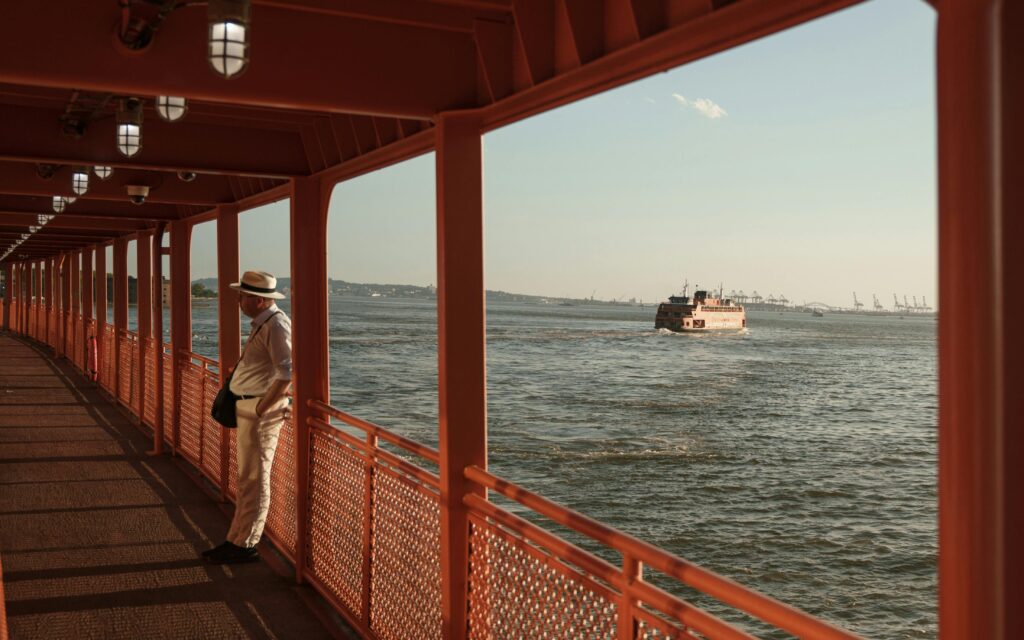
Ever stood on a sun-drenched deck of a Danube riverboat, sipping Riesling as vineyards scroll by, only to realize you didn’t pack your travel insurance—and then sprained your ankle stepping off in Budapest? Yeah. I’ve been there. And trust me, “It won’t happen to me” is the fastest way to turn a dreamy Rhine River escape into a €2,000 medical bill nightmare.
This post cuts through the fluff and gives you real, actionable river cruise insurance advice—not just policy jargon, but what actually matters when you’re floating past castles with spotty Wi-Fi and zero control over missed connections or sudden illness. You’ll learn exactly who needs coverage (spoiler: everyone), what policies *actually* cover on European or Asian river cruises, how to avoid common claim denials, and why that cheap $39 policy might leave you stranded. Plus, I’ll share a near-disaster from my own 2022 Douro River trip that cost me nothing… thanks to one specific insurance clause.
Table of Contents
- Why River Cruise Insurance Is Non-Negotiable
- Step-by-Step: How to Choose the Right Policy
- Top 5 River Cruise Insurance Mistakes to Avoid
- Real-World Case Study: When Insurance Saved My Cruise
- River Cruise Insurance FAQs
Key Takeaways
- River cruises have unique risks: missed ship embarkation, port closures, and limited medical facilities onboard.
- Standard travel insurance often excludes “cruise-specific” issues like itinerary changes or cabin confinement due to illness.
- Cancel For Any Reason (CFAR) coverage is worth it for high-value river cruises (typically 10% more in premium).
- Pre-existing medical conditions must be declared *within strict time windows* (often 10–21 days post-deposit) to be covered.
- Your credit card’s “travel insurance” rarely covers river cruises comprehensively—always verify.
Why River Cruise Insurance Is Non-Negotiable (Even If You’re “Careful”)
Let’s be real: river cruising feels safe. There are no massive waves, flights are short, and you unpack once. But that illusion of control vanishes fast when you’re docked in Strasbourg and your flight gets canceled due to a strike—making you miss Day 1 of your 8-day AmaWaterways voyage. Cruise lines won’t refund you. They’ll just… sail without you.
According to the U.S. Travel Insurance Association (USTIA), 40% of travel insurance claims stem from trip cancellation or interruption—and river cruises are especially vulnerable due to fixed itineraries and tight logistics. Unlike ocean cruises with medical clinics, riverboats often carry only basic first aid. In 2023, Allianz Global Assistance reported a 22% year-over-year increase in medical evacuation claims from European river cruises, primarily for cardiac events and falls during shore excursions.

Optimist You: “But I’m young and healthy!”
Grumpy You: “Cool story. Tell it to the guy who slipped on wet cobblestones in Bruges at 6 a.m. while rushing to catch the tender. His ‘healthy’ turned into a fractured tibia and no insurance = $8,000 out of pocket.”
Step-by-Step: How to Choose the Right River Cruise Insurance Policy
What Does “Comprehensive” Actually Cover?
Don’t just buy “travel insurance.” Look for these river-specific inclusions:
- Missed Connection Coverage: Reimburses costs if a delayed flight makes you miss embarkation (many policies cap this at $1,000—insufficient for high-end cruisers).
- Itinerary Alteration: Covers costs if the cruise reroutes due to low water levels (common on the Rhine/Danube) or political unrest.
- Medical Evacuation: Minimum $100,000 coverage. Some river regions lack helicopters; this pays for ambulance boat + transfer to hospital.
- Pre-Existing Condition Waiver: Only valid if you purchase within 10–21 days of your initial trip deposit.
Step 1: Calculate Your Real Financial Risk
Add up non-refundable costs: cruise fare, flights, pre-paid excursions, hotels. That’s your coverage minimum. Example: $4,500 cruise + $900 flights = $5,400 insured value.
Step 2: Compare Specialized Providers
Avoid generic aggregators. Instead, use comparison tools that filter for “cruise coverage”:
- InsureMyTrip.com (filters for “cruise-specific benefits”)
- Squaremouth (ranks policies by river cruise suitability)
Step 3: Read the Exclusions—Especially These
Common exclusions that sink river cruise claims:
- “Known events”: Buying insurance after floods are forecasted on the Danube.
- Adventure activities: Bike tours (standard on river cruises!) may require add-ons.
- Alcohol-related incidents: Even one glass of wine before a fall can void coverage.
Top 5 River Cruise Insurance Mistakes to Avoid
- Assuming your cruise line’s insurance is enough. Most are barebones and profit-driven (e.g., Viking’s policy caps medical at $10k vs. recommended $100k).
- Skipping CFAR for expensive trips. Cancel For Any Reason (CFAR) costs ~10% more but refunds 50–75% if you cancel for, say, a family emergency or cold feet. Worth it for $5k+ trips.
- Not declaring medications. Taking blood thinners? That’s a pre-existing condition. Disclose it—or risk claim denial.
- Buying too late. Miss the 21-day window for pre-existing condition waivers? Gone forever.
- Ignoring secondary coverage. Your health insurance likely doesn’t cover overseas care. Medicare definitely doesn’t.
Terrible Tip Disclaimer: “Just use your credit card’s travel insurance.” Nope. Visa Infinite cards, for example, exclude “cabin confinement” and offer only $2,500 for trip delay—nowhere near enough for a missed river cruise day.
Rant Section: My Pet Peeve
Why do insurers act like river cruises are “low risk”? They’re not ocean liners! One lock malfunction, one heatwave dropping water levels, and your entire itinerary implodes. Yet policies treat them like a bus tour with beds. Ugh. Wake up, underwriters.
Real-World Case Study: When Insurance Saved My Cruise (and Sanity)
In May 2022, I boarded a 10-day Douro River cruise in Porto. Day 2: violent food poisoning (thanks, questionable bacalhau). Confined to my cabin for 36 hours—missing two excursions ($400 value) and needing IV fluids. My policy? World Nomads Explorer Plan with “cabin confinement” coverage.
Result: Full reimbursement for missed excursions + $350 medical co-pay. Total claim processed in 11 days. Key detail: I’d bought it within 14 days of my deposit and disclosed my mild hypertension. Had I waited? Zero coverage.
Moral: River cruise insurance isn’t about disasters—it’s about dignity when things go subtly, annoyingly wrong.
River Cruise Insurance FAQs
Does river cruise insurance cover low water levels forcing itinerary changes?
Only if your policy includes “Travel Delay” or “Itinerary Alteration” benefits. Standard plans often don’t. Look for providers like Travel Guard or Berkshire Hathaway that explicitly mention river cruises.
Can I get coverage if I’m over 70?
Yes—but premiums rise sharply after 65. Providers like IMG Global offer senior-specific plans with higher medical limits. Always confirm upper age limits (some cap at 85).
Is “Cancel For Any Reason” worth it?
If your cruise costs over $3,000, yes. You’ll recoup 50–75% if you cancel for reasons not listed in standard policies (e.g., work crunch, pet emergency).
Will my existing health insurance cover me in Europe?
Almost certainly not. Medicare doesn’t cover outside the U.S. Private insurers rarely reimburse international care fully. Medical evacuation alone can cost $50k+.
Conclusion
River cruise insurance isn’t an optional extra—it’s your safety net when the unpredictable strikes along serene waterways. From missed embarkations to medical emergencies in remote ports, the right policy turns chaos into a minor hiccup. Remember: declare pre-existing conditions early, prioritize medical evacuation coverage, and never assume your cruise line or credit card has you covered. Do this, and you’ll glide through every bend in the river knowing you’re protected.
Like a Tamagotchi, your peace of mind needs daily care. Feed it with the right insurance.
Haiku:
Danube winds whisper,
Skip insurance? Big mistake.
Anchor your calm well.