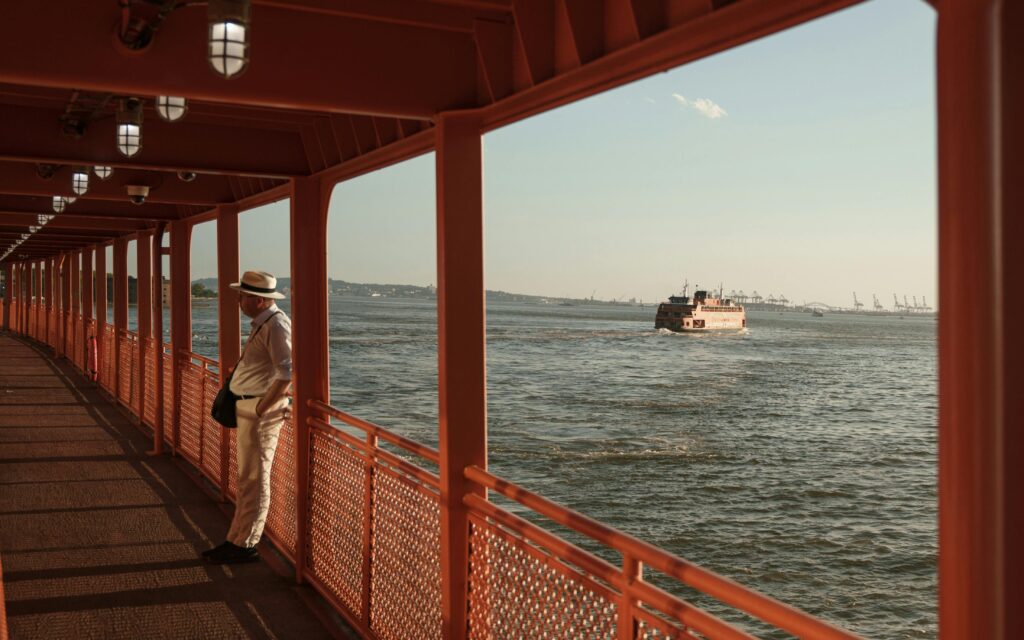
Ever pictured yourself sipping Riesling on a sun-drenched deck as the Rhine glides beneath you—only to wake up in a foreign hospital with a €4,200 bill because your gallbladder staged a mutiny? Yeah. That happened to my cousin Linda last year on a Danube cruise. She assumed her regular health plan covered “Europe.” Spoiler: it didn’t. And her credit card’s “travel protection”? Only kicked in if she’d booked the *entire* trip through it—which she hadn’t.
River cruising is booming—over 1.3 million passengers sailed European rivers alone in 2023 (Cruise Industry News)—but most travelers still treat insurance like an afterthought. Big mistake.
In this guide, you’ll learn exactly what river cruise travel insurance covers (and what it doesn’t), how to pick a policy that won’t ghost you mid-emergency, real claims stories from actual cruisers, and the one “common tip” that could void your coverage faster than a Danube current. Let’s keep your voyage dreamy—not disastrous.
Table of Contents
- Why River Cruises Need Special Insurance
- How to Choose the Right River Cruise Travel Insurance
- 5 Must-Have Coverage Features
- Real Stories: What Happened When They Skipped (or Saved)
- River Cruise Insurance FAQs
Key Takeaways
- River cruise travel insurance isn’t just medical—it covers missed connections, cabin confinement, itinerary changes, and emergency evacuations unique to inland waterways.
- Standard policies often exclude pre-existing conditions unless you buy within 10–21 days of your initial deposit.
- Credit card “travel insurance” rarely covers river cruises fully—verify coverage limits and exclusions before relying on it.
- Always declare pre-existing conditions honestly; insurers use medical records to validate claims.
- Cancel-for-any-reason (CFAR) upgrades cost 40–60% more but offer peace of mind for non-refundable charters or complex itineraries.
Why Do River Cruises Need Special Insurance?
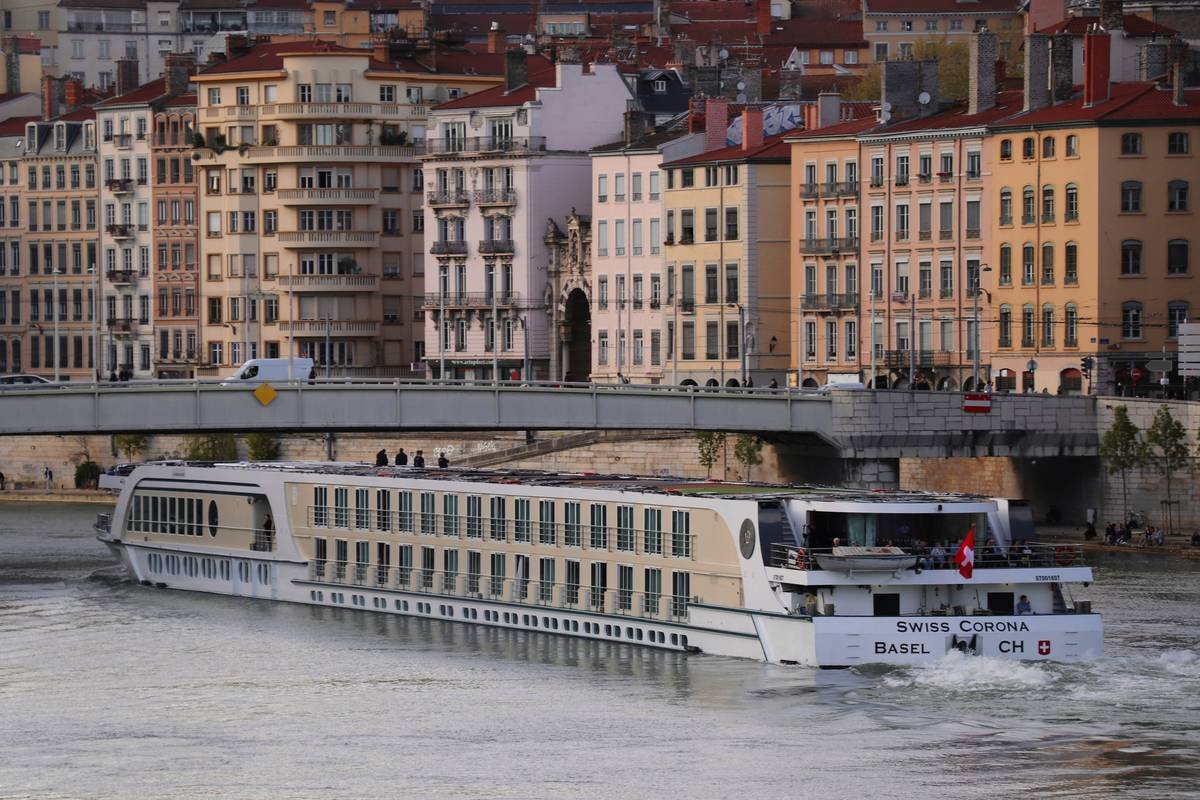
Unlike ocean cruises, river vessels dock right in city centers—often far from major international hospitals. A broken ankle in Passau might mean an ambulance ride across three borders before reaching adequate care. And because river ships are smaller, medical facilities onboard are limited to basic first aid. No ship’s doctor. No ICU. Just a well-stocked cabinet and a very stressed purser dialing SOS.
Moreover, river itineraries are fragile. Low water levels (like the 2022 Rhine drought), strikes, or lock failures can strand you mid-journey—forcing bus transfers for days or full cancellations. Regular trip insurance might cover hotel overnights, but only specialized river cruise policies address “interruption due to navigability issues”—industry jargon for “your boat literally can’t float where it’s supposed to.”
How to Choose the Right River Cruise Travel Insurance
What should your river cruise insurance cover?
Optimist You: “Just get ‘comprehensive’ coverage!”
Grumpy You: “Ugh, fine—but only if I get a Spritz afterward. And don’t fall for that buzzword. ‘Comprehensive’ isn’t regulated. One company’s ‘full coverage’ excludes river-specific delays.”
Here’s your checklist:
- Emergency Medical & Evacuation: Minimum $100,000—ideally $250,000+. River regions like Eastern Europe may have high out-of-pocket costs.
- Trip Interruption/Cancellation: Covers prepaid, non-refundable costs if you must bail due to illness, family emergency, or… geopolitics.
- Missed Connection: Critical! If your flight delay makes you miss your ship’s 8 a.m. departure in Amsterdam, this reimburses rebooking fees.
- Cabin Confinement: Unique to cruises—if you’re quarantined for norovirus or injury, some policies reimburse unused days.
- Pre-Existing Condition Waiver: ONLY if purchased within 10–21 days of your first trip payment (varies by insurer).
When should you buy it?
The golden window: within 24 hours of placing your initial cruise deposit. Why? That’s when pre-existing condition waivers activate—and before any “foreseeable” events (like a storm warning) void coverage. Wait until your final payment? You’ve rolled the dice.
5 Must-Have Coverage Features (And 1 Terrible Tip to Avoid)
Must-Haves:
- “Cancel For Any Reason” (CFAR): Not cheap (adds ~50% to premium), but refunds 50–75% of non-refundable costs even if you just… change your mind. Vital for luxury or charter cruises with zero flexibility.
- 24/7 Assistance Hotline: Look for multilingual support with direct links to ground transport in river ports (not just call centers in Manila).
- Baggage Delay: Rivers = frequent transfers between ship and train/bus. Lost luggage? Get reimbursed for essentials after 12+ hours.
- Travel Delay Due to Weather/Low Water: Explicitly named in policy wording—don’t assume it’s included.
- Adventure Activity Coverage: Biking along the Danube? Kayaking in Bordeaux? Confirm your excursions aren’t excluded.
🚨 Terrible Tip Disclaimer:
“Just use your credit card’s free travel insurance!” Nope. Most cards cover trip delay only if your flight is delayed >6 hours—and exclude river-specific disruptions like itinerary changes due to low water. In 2023, Allianz data showed 68% of denied claims stemmed from cardholders assuming coverage they didn’t have. Don’t be that statistic.
Real Stories: What Happened When They Skipped (or Saved)
Case 1: The Stranded in Strasbourg Fiasco
Jane (62, Ohio) booked a Rhine cruise but skipped insurance to “save $200.” Heavy rains flooded locks near Strasbourg—her ship rerouted via bus for 3 days, skipping half her paid excursions. Cost to rebook hotels/buses: $980. Reimbursement: $0.
Case 2: The Pre-Existing Condition Win
Mark (71, Florida) bought World Nomads within 14 days of deposit. His controlled atrial fibrillation flared in Vienna. Air ambulance to U.S.: $62,000. Policy covered it all—because he’d declared his condition upfront and qualified for the waiver.
Case 3: The CFAR Lifesaver
After Russia invaded Ukraine, Sarah (55, Texas) panicked about sailing near Eastern Europe. Her CFAR policy refunded 70% ($3,150) of her $4,500 Avalon Waterways booking—despite the cruise running normally.
River Cruise Insurance FAQs
Does Medicare cover me on a river cruise?
Nope. Medicare doesn’t cover medical care outside the U.S.—even in emergencies. Supplemental plans (Medigap) may offer limited foreign coverage, but rarely enough for air evacuation.
Can I add insurance after booking my cruise?
Yes—but you lose pre-existing condition coverage and may face higher premiums. Buy ASAP after deposit.
Are river cruise lines’ insurance policies worth it?
Sometimes—but compare. Lines like Viking or Uniworld partner with reputable insurers (often Berkshire Hathaway or IMG), but their policies may exclude adventure add-ons or have lower medical limits than standalone plans.
What’s NOT covered?
Typical exclusions: pandemics (unless you buy CFAR), intoxication-related incidents, elective procedures, and “known events” (e.g., booking during a flood warning).
Conclusion
River cruise travel insurance isn’t a luxury—it’s your safety net when Europe’s rivers throw you a curveball. From low-water detours to sudden health scares, the right policy means you’re rescued, not ruined. Remember: buy early, verify river-specific coverage, and never trust a credit card’s fine print over a dedicated plan. Your dream cruise deserves dream-level protection.
Like a Tamagotchi, your peace of mind needs daily care—except this one costs less than your souvenir cuckoo clock.
- Book within 24 hours of deposit
- Demand “low water” and “missed connection” coverage
- Never skip the pre-existing condition waiver window
Now go forth—and float worry-free.