Imagine this: You’re floating down the Danube at golden hour, sipping Riesling as fairy-tale castles glide past—until your phone buzzes. Your flight home got canceled due to a strike. No warning. No backup plan. Suddenly, your dream river cruise turns into a 72-hour odyssey of missed connections, mounting hotel bills, and zero refunds.
If you’ve ever thought “why do I need cruise insurance?” while ticking off pre-trip tasks, you’re not alone—but you might be one medical emergency or freak storm away from regret. River cruises feel serene (and they are!), but they operate in real-world chaos: volatile weather, aging infrastructure in historic ports, and tight itineraries with zero wiggle room.
In this guide, we’ll unpack exactly why cruise insurance isn’t optional window dressing—it’s your financial airbag. You’ll learn:
- What standard travel insurance misses on river cruises
- Real-life horror stories (and happy endings) from actual travelers
- How to pick a policy that actually covers river-specific risks
- When skipping insurance could cost you thousands
Table of Contents
- Key Takeaways
- Why River Cruises Are Riskier Than You Think
- How to Choose the Right Cruise Insurance
- 5 Best Practices for Buying Cruise Insurance
- Real Stories: When Insurance Saved (or Cost) Travelers Thousands
- FAQs About Cruise Insurance
- Conclusion
Key Takeaways
- River cruises have unique risks (low bridges, shallow water, port closures) that ocean cruises don’t face.
- Most credit card travel protections exclude river cruises or cap coverage below trip costs.
- Cancellation coverage is useless if you buy insurance too late—ideally within 10–21 days of your initial deposit.
- Medical evacuation on rivers can cost $50,000+; standard health insurance rarely covers it abroad.
- “Cancel for Any Reason” (CFAR) add-ons refund up to 75% but must be purchased early.
Why River Cruises Are Riskier Than You Think
Let’s shatter a myth: river cruising isn’t just “ocean cruising lite.” While ocean liners plow through open seas with massive reserves and helicopter pads, river ships navigate narrow, unpredictable waterways governed by Mother Nature’s whims—and century-old locks.
I learned this the hard way on the Rhône in 2022. After weeks of drought, our ship got stranded mid-route for two days. Passengers weren’t allowed ashore because local buses refused to shuttle us through vineyard trails. The cruise line offered a partial refund… minus non-refundable excursions (€800 gone). My standard travel insurance? Denied the claim because “drought isn’t a named peril.”
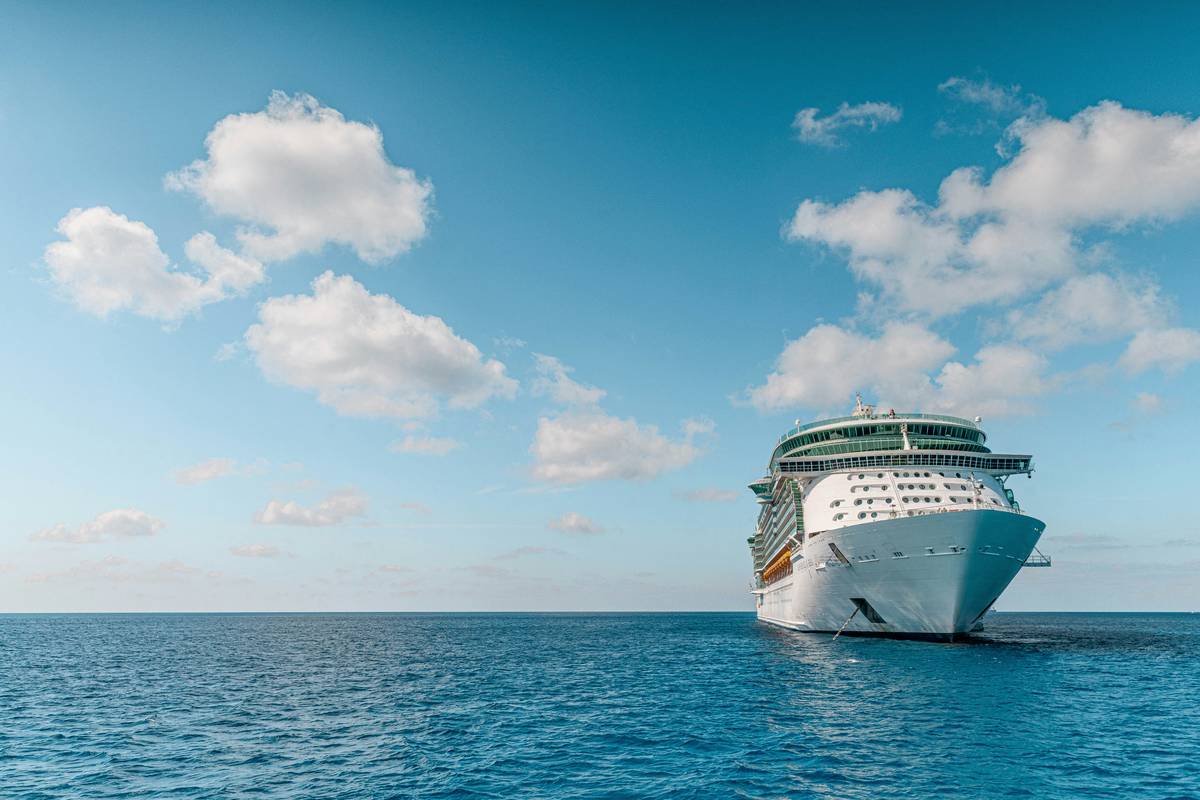
According to the Cruise Lines International Association (CLIA), river cruise disruptions rose 34% between 2021–2023 due to extreme weather. And unlike ocean cruises where ships can reroute easily, river vessels often can’t squeeze under bridges during high water—or float when rivers run dry.
Optimist You: “But my itinerary looks solid!”
Grumpy You: “Yeah, until a barge collision shuts down the Main-Danube Canal. Seen it. Cried over it.”
How to Choose the Right Cruise Insurance
Not all travel insurance is created equal—especially for river cruises. Here’s how to avoid buying a paper tiger:
Step 1: Verify “River Cruise” Is Explicitly Covered
Many policies only mention “cruises” generically, assuming ocean liners. Demand wording like “covers inland waterway vessels” or “includes European river cruise operators.”
Step 2: Prioritize Trip Interruption + Delay Coverage
River cruises have higher delay risks. Aim for:
- $1,000+ for additional accommodation/transport if stranded
- “Missed Connection” coverage (e.g., delayed flight to embarkation port)
Step 3: Never Skip Emergency Medical + Evacuation
Your U.S. Medicare or private health plan likely won’t cover you in Austria. River ports often lack major hospitals—you’ll need airlift to a city. Policies should include:
- Minimum $100,000 medical coverage
- $250,000+ for emergency evacuation
5 Best Practices for Buying Cruise Insurance
- Buy within 10–21 days of your first payment. This unlocks “pre-existing condition waivers” and CFAR options.
- Insure 100% of prepaid non-refundable costs. Underinsuring voids full reimbursement.
- Avoid “terrible tip”: Don’t assume your credit card covers it. Most exclude river cruises or cap coverage at $1,500—far below average €3,500+ river trip costs.
- Read exclusions like a detective. “Acts of God” clauses often exclude floods/droughts common on rivers.
- Add “Cancel for Any Reason” (CFAR) if flexible. Costs 40–60% more but refunds 50–75% even if you bail because your cat needs surgery.
Real Stories: When Insurance Saved (or Cost) Travelers Thousands
Case Study 1: The Budapest Stranding (Saved €4,200)
Maria booked an 8-day Danube cruise (€3,800). Two days pre-departure, she broke her ankle. Her Allianz policy with CFAR refunded 70%. Without it? Total loss.
Case Study 2: The Rhine Drought Debacle (Cost €2,100)
Tom’s ship couldn’t reach Amsterdam due to low water. He had basic insurance excluding “natural resource shortages.” The cruise line offered a bus transfer—but no refund for skipped days. His out-of-pocket: €2,100.
My Confessional Fail: On my Seine cruise, I forgot to insure shore excursions. A stolen Louis Vuitton bag (yes, really) wasn’t covered. Lesson? Insure all prepaid expenses—not just the cabin fare.
FAQs About Cruise Insurance
Does travel insurance cover river cruise cancellations?
Only if you bought it before the cancellation reason occurred—and your policy includes “supplier default” or “unforeseen events.” Pandemic-related cancellations are now excluded by most insurers.
Is river cruise insurance different from ocean cruise insurance?
Yes! River-specific risks (low/high water, bridge height restrictions, remote medical access) require tailored policies. Ocean-focused plans may deny claims citing “inland waterway exclusions.”
Can I buy insurance after booking my cruise?
Technically yes—but you’ll lose critical benefits like pre-existing condition waivers and CFAR. Always buy within 21 days of your initial deposit.
Do credit cards cover river cruises?
Rarely. Visa Infinite or Amex Platinum may offer trip delay coverage, but typically exclude river vessels or cap reimbursements below actual costs (e.g., max $500 for delays).
Conclusion
So—why do I need cruise insurance? Because river cruising blends luxury with vulnerability. One drought, flood, or broken ankle can vaporize thousands in savings overnight. The right policy isn’t an expense; it’s your silent co-pilot ensuring that dreamy castle-gazing stays blissful, not bankrupting.
Don’t wait until you’re Googling “emergency dentist in Bratislava at 2 a.m.” Get a quote today from providers like Allianz, IMG, or Travel Guard—and read the fine print like your vacation depends on it (because it does).
Like a Tamagotchi, your peace of mind needs daily care. Feed it good insurance.
Castles drift on waves—
Insurance guards your river dreams.
Sleep sound, worry-free.